


 The Mycare Team
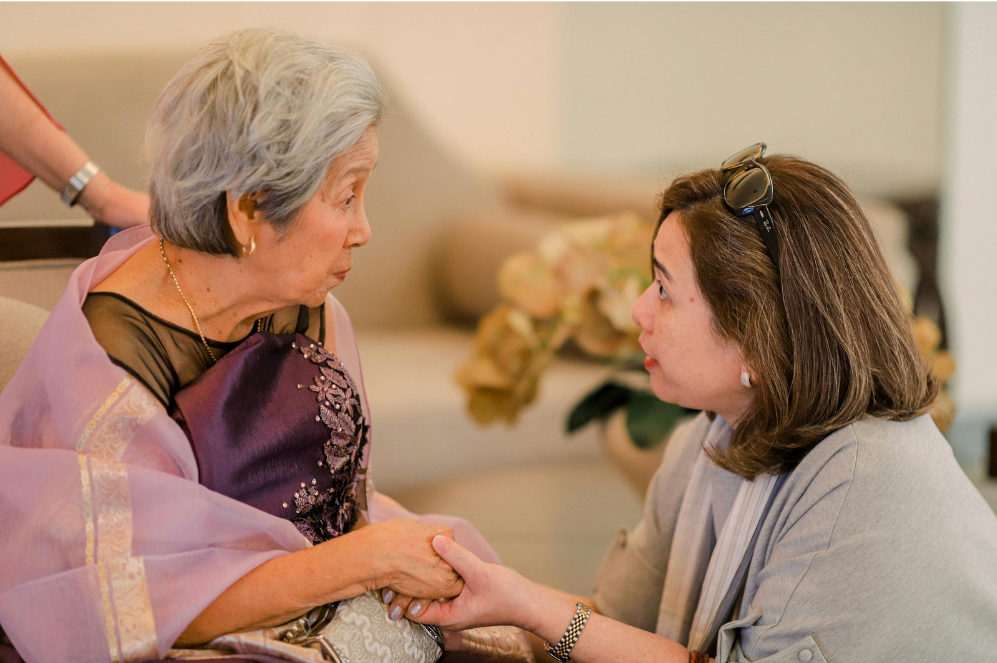
Talking with your parents about help at home
 The Mycare Team : 5 August 2026
How to start the conversation, work through the hard feelings and keep going when it doesn't go to plan

Finding the right care worker really comes down to two things: whether they can do what is needed, and whether you or your family member will feel comfortable having them in your home. Skills matter, but so does the person and it is completely reasonable to meet a few people, ask plenty of questions, and take your time before deciding.
This guide walks through the questions worth asking, grouped by what you are actually trying to find out. Think of it less like an interview script and more like a way to properly get to know someone before you invite them into your home and your life.
It starts before you even meet
A little preparation makes the first conversation easier for everyone and it means you are comparing people fairly if you end up meeting more than one. Write down what you actually need help with, so you can describe it clearly rather than in general terms. Include the person who will be receiving the care wherever you can, because their comfort matters more than anyone else's view in the room. And have a few practical details ready, the days and hours you need covered, roughly where you are based and anything that is non-negotiable, so you are not working that out on the fly.

Their experience and background
Start here to understand what they have actually done before and whether it matches your situation.
Can you tell me about your experience supporting someone in a situation like ours?
How long have you been doing this work, and what drew you to it?
What training or qualifications do you have? Do you hold a current first aid certificate?
Are you police or Ministry of Justice vetted and can you provide references we can contact?
Whether the practical side stacks up
Even the warmest match falls over if the logistics do not work, so it is worth covering these early rather than assuming they will sort themselves out.
What days and hours are you available, and how far ahead do you plan?
Do you drive, and can you provide transport if we need it?
How long do you usually stay working with the same person? Continuity matters.
What happens if you are unwell or away? Is there any backup?
What are your rates, what is included and how does payment work?
The tasks you actually need done
Be specific here. Vague questions get vague answers and this is where mismatches tend to show up later rather than sooner.
Are you comfortable with the specific things we need help with? Name them, from cooking to personal care to using equipment.
Is there anything on that list you would not be able or willing to do?
How would you handle it if a difficult but likely situation came up?

Their approach and whether it feels right
This is where you get a feel for whether they are someone your family member will genuinely warm to, which matters as much as anything on a CV.
How would you describe your approach to supporting someone?
How do you build trust with a person who is unsure about having help?
What do you enjoy doing with the people you support and what are your own interests?
What languages do you speak and is there a cultural background you connect well with?
Communication and safety
Good care depends on good communication, especially on the day something is not quite right.
How will you keep me and the family updated on how things are going?
How do you handle privacy and confidentiality?
What would you do in an emergency, and who would you contact?
Trying it out, without committing to forever
You do not have to make a final decision on day one and a good care worker will understand that.
Would you be open to starting with a short trial, so we can all see how it feels?
If something is not working, how would you like us to raise it with you?

Trust your gut alongside the answers
The most useful question is often the one you ask yourself afterwards: could you picture this person in your home, and did your family member warm to them? Notes and references matter, but so does that instinct and it is worth weighing both.
A few gentle red flags
Most people you meet will be genuine and well intentioned. Occasionally something will not sit right and it is worth knowing what that can look like.
Vague answers about experience or reluctance to provide references or vetting
Pushing to be paid in cash and off the books or to skip a written arrangement
Talking over the person who needs care, rather than to them
Rigidity about doing things their way, rather than the person's way
Anything that simply does not feel right, even if you cannot say why
Take your time, ask freely, and remember you are choosing someone to share a home and a trust with. The right fit is worth the questions it takes to find.
Getting started
Every profile on Mycare includes experience, qualifications and reviews, so you can shortlist people before you even pick up the phone.
Head to mycare.co.nz to browse care workers in your area or you can easily and quickly get in touch with our team at hello@mycare.co.nz or call 09 887 9777 if you would like a hand working out what to ask.
The Mycare Team : 5 August 2026
How to start the conversation, work through the hard feelings and keep going when it doesn't go to plan

The Mycare Team : 9 September 2026
Building a small team of support workers, so you always have backup. A plain guide for people who arrange their own support, and for their whānau.

The Mycare Team : 18 September 2026
Ask most New Zealanders over 50 where they would rather grow older and the answer is overwhelmingly the same: at home. The New Zealand Seniors...